
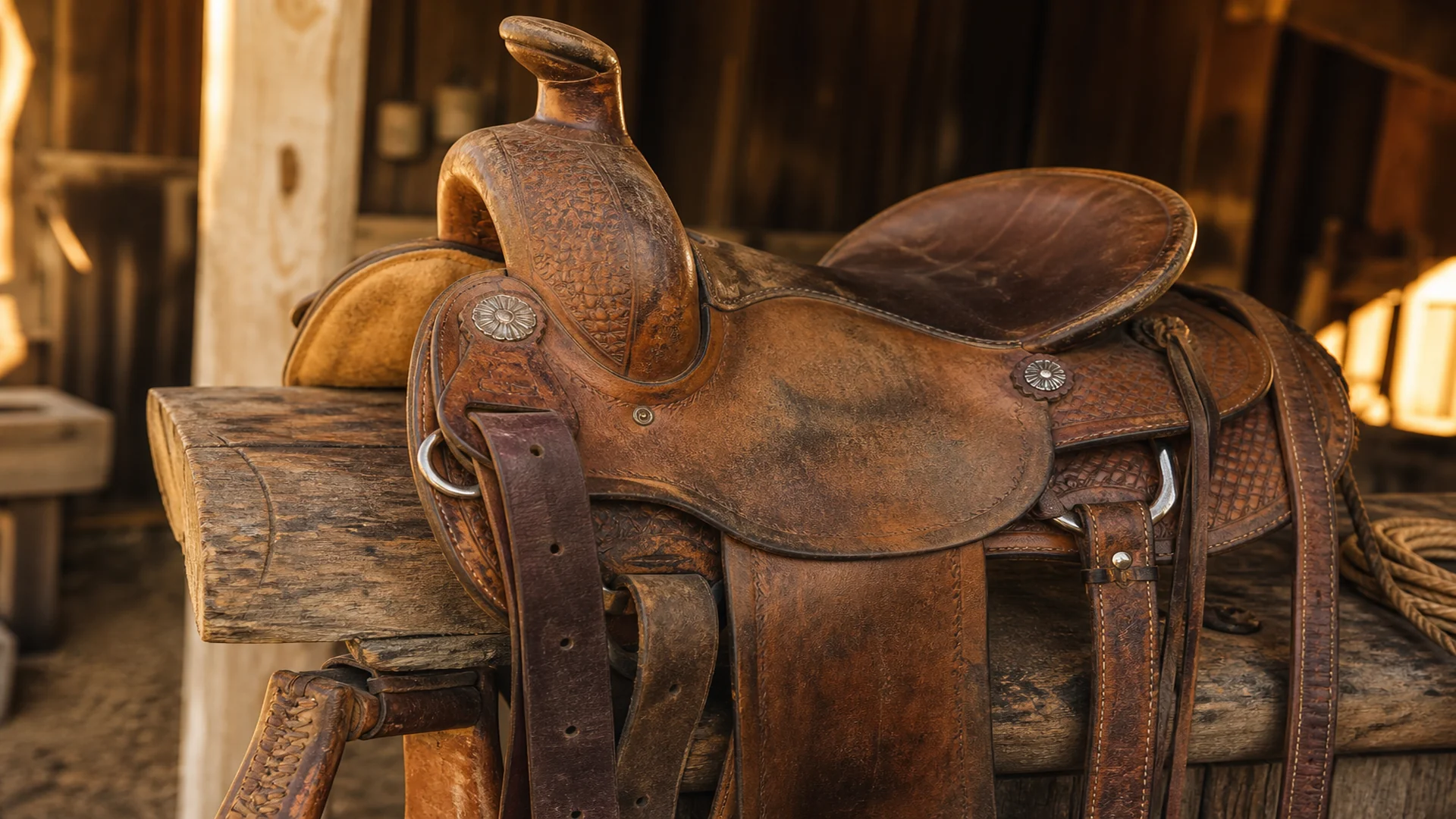
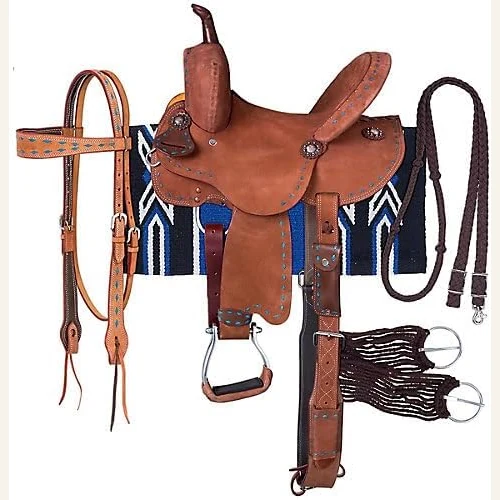
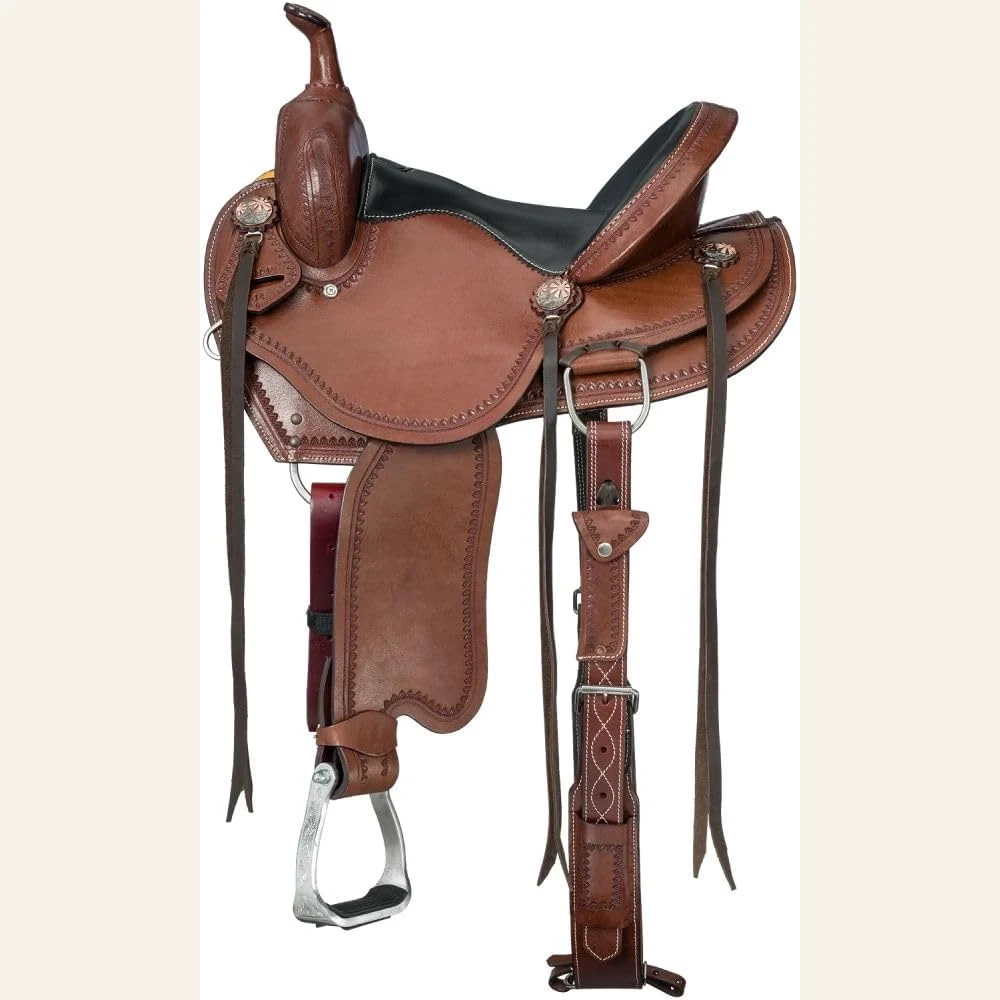
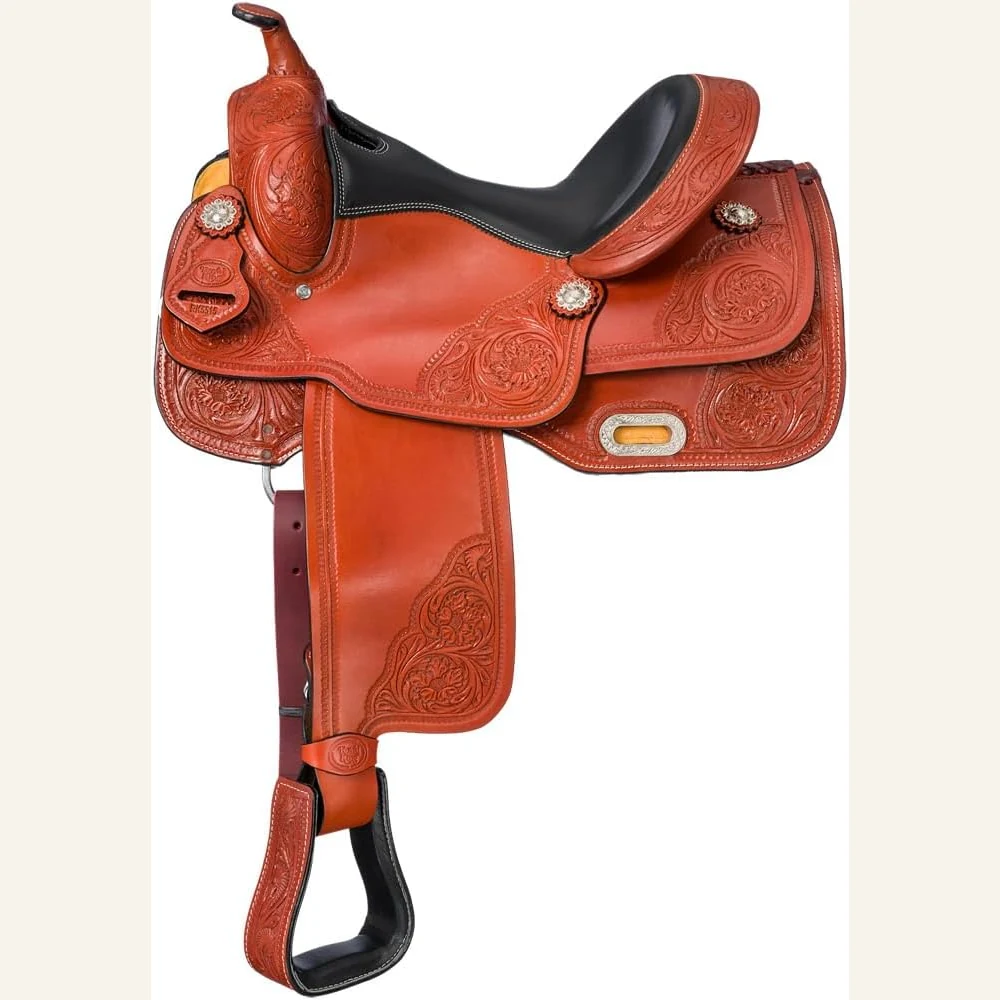
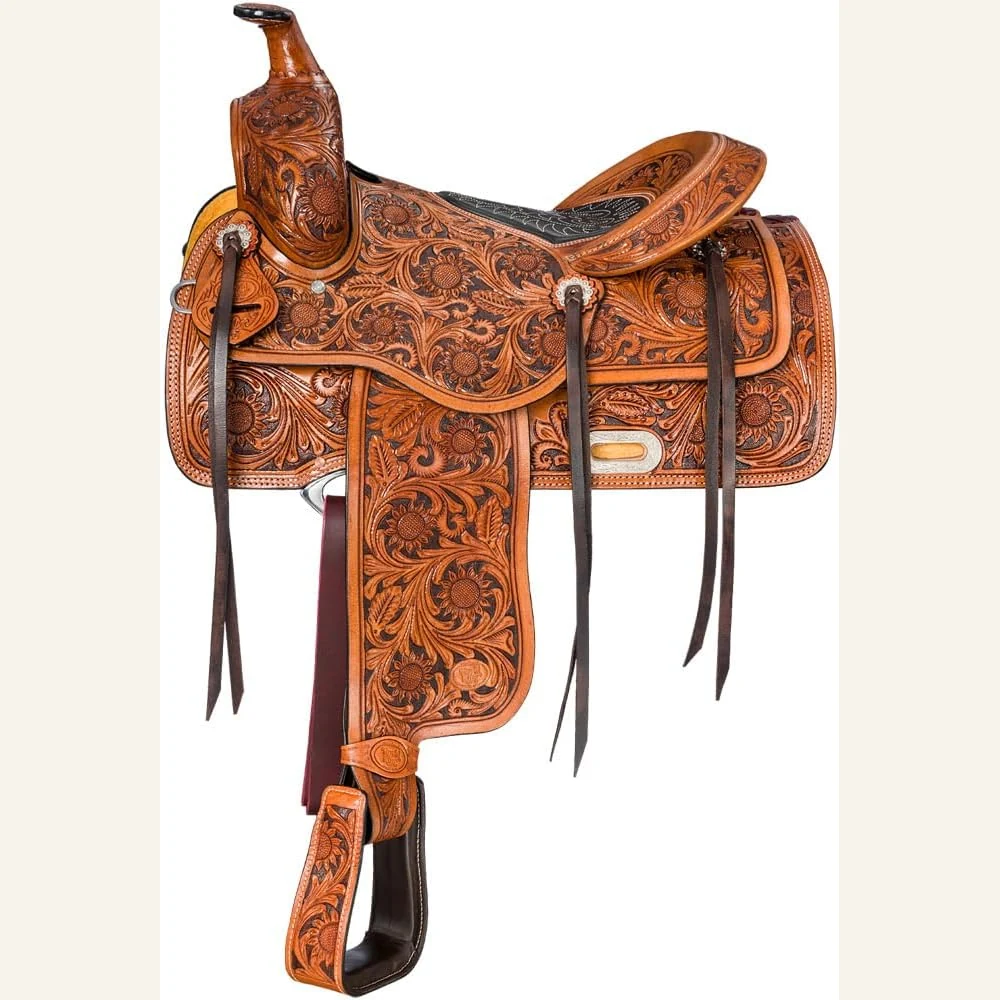
Used Royal King saddles appear constantly in barn swap groups, tack consignment corners, and online classifieds. Because new models are already affordable, the used market can be genuinely smart — or a money pit if you skip basic inspection. This guide walks through what matters on a pre-owned budget saddle.
Why buy used
A lightly ridden Royal King trail saddle might cost half of retail while still delivering years of casual riding. Youth saddles turn over quickly as kids grow. Package sets sometimes include bridles and pads the seller no longer needs. If you are testing whether Western riding sticks, used tack lowers the stakes.
Tree inspection first
The tree is the skeleton. A cracked or twisted tree makes every other detail irrelevant. Place the saddle on a level rack and sight down the gullet. Look for asymmetry, sunken spots, or gaps where rawhide wrap lifts from fiberglass. Press gently along the bars — flex is normal on fiberglass trees, but sharp clicks or sudden give are red flags.
Ask the seller how the saddle was stored. Heat in a closed trailer attic or crushed under heavy boxes can damage trees silently. If possible, trial the saddle on your horse with a clean pad and check for bridging or rocking before you pay.
Leather and stitching
Royal King uses mixed materials. On used saddles, inspect billet straps where they fold through the latigo billets — that is a high-stress point. Creasing is fine; torn grain or separated plies is not. Synthetic panels may show surface cracking earlier than full-grain leather on premium brands.
Run your fingers along fender seams and horn wraps. Loose stitching on a budget saddle can sometimes be repaired affordably, but factor repair cost into your offer price. A $40 restitch changes the math on a $150 used purchase.
Hardware and rigging
Check cinch rings, dee rings, and conchos for bends or sharp burrs. Test the rigging plates for movement — they should feel secure, not wobbly. On show models, lift silver plates gently to confirm they have not rubbed through underlying leather.
Fair pricing context
Used Royal King barrel and trail saddles often list between 40–65% of retail depending on condition and included tack. Heavily worn roping models with loose stitching should price lower. Complete package sets command a premium only if every piece is functional — a dried-out bridle does not add value.
Compare against current retail for the same model family before you negotiate. Sellers sometimes price used tack based on what they paid years ago, not what new entry-level saddles cost today.
Where to find them
Local tack consignment shops, regional horse expo swap meets, barn bulletin boards, and breed-club forums are reliable sources. Online marketplaces work if the seller provides clear photos of the gullet, billet area, and horn base — always request them if missing.
Red flags to skip
Walk away when the seller refuses tree photos, will not allow a saddle fit trial, or describes damage as cosmetic when stitching is separated. Missing model labels are not automatic disqualifiers — Royal King tags fade — but mystery saddles deserve a lower offer and sharper inspection.
After you buy
Clean thoroughly, condition appropriate panels, and have a local saddle fitter or experienced trainer confirm fit on your horse. Set a calendar reminder to recheck billet stitching after your first ten rides. Used budget saddles reward attentive owners who catch small issues early.
Negotiation tips
Polite, specific offers work better than lowball messages. Reference visible wear in your note — loose fender stitching, faded seat, missing latigo — and attach comparable listing screenshots. Sellers who rode the saddle weekly often accept modest discounts for buyers who pick up locally and pay cash.
Shipping used tack
If you buy remotely, insist on double-boxing with horn and cantle protected by rolled towels. Fiberglass trees can crack in careless shipments. Split shipping cost only after you have agreed on a return plan if the tree arrives damaged.
Related guides
Learn who manufactures these saddles on our who makes page, or read balanced owner feedback on reviews. Start from the homepage for new model comparisons.
Author: Sarah Mitchell — equestrian gear researcher focused on entry-level Western tack.